
Destiny 2 is currently navigating its most turbulent era yet, as the community prepares for the cessation of live-service content updates this June 2026. Following the rocky reception of recent content cycles, internal discussions have come to light regarding a massive pivot that could have fundamentally altered the game’s trajectory. The most striking of these proposals involved a complete rebranding of the experience into something called Destiny Infinity, a move designed to reset player expectations and stabilize the release rhythm.
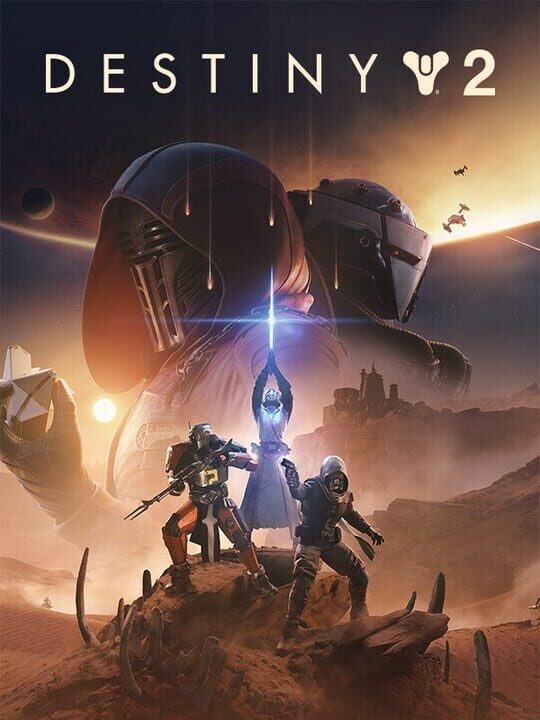
▲ Official Cover Art (Source: IGDB)
| Feature | Status/Details |
|---|---|
| Current Destiny 2 Status | Content updates concluding June 2026 |
| Proposed Rebrand | Destiny Infinity (Soft Reboot) |
| Expansion Strategy | Return to a single large annual expansion model |
| Destiny 3 Development | Not currently in production |
The Destiny Infinity Pivot and the Annual Expansion Model
The core of the Destiny Infinity proposal was a tactical retreat from the controversial twice-yearly expansion schedule that defined the post-Final Shape era. This internal pitch aimed to consolidate development resources into one massive annual drop rather than two smaller, fragmented releases. For players, this would have signaled a return to the golden age of the franchise, where a single, polished narrative and gameplay overhaul took center stage each year. By rebranding as Infinity, the studio hoped to distance the game from the technical debt and baggage associated with the current numbering system.
This soft reboot was viewed as a vital alternative to a full sequel. Since a true third installment is not currently in the cards, Infinity was intended to act as a bridge, keeping the existing player base engaged without forcing them to abandon their decade-long vaults and character progression. The strategy was clear: focus on quality over frequency. Unfortunately, as the current timeline shows, this ambitious relaunch remained on the cutting room floor as the game moves toward its final scheduled updates.
Analyzing the Fallout of the Edge of Fate Expansion
To understand why a rebrand like Destiny Infinity was even considered, one must look at the disastrous impact of the Edge of Fate expansion. Following the high watermark of The Final Shape, which proved that Destiny 2 could still deliver world-class FPS experiences, Edge of Fate arrived as a stark disappointment. The expansion was plagued by technical hurdles and a narrative that failed to resonate with the hardcore community, leading to a sharp decline in player retention and engagement metrics.
▲ Official Artwork (Source: IGDB)
The failure of Edge of Fate exposed the cracks in the twice-yearly expansion model. Spreading the development team thin across multiple smaller releases per year resulted in a lack of depth and polish that the community had come to expect. While the intention was to provide a constant stream of content, the reality was a series of updates that felt rushed and lacked the transformative impact of the game’s best historical expansions. This inconsistency ultimately made the case for a return to the annual model even more compelling, albeit too late to change the current course.
The Role of Marathon and Resource Allocation
The broader landscape of the studio also played a significant role in the fate of Destiny 2. While other projects like Marathon have launched to decent financial performance, they have undoubtedly shifted the internal focus. Industry analysis suggests that the resources required to maintain Destiny 2 at a high level were increasingly at odds with the need to support new IPs. Even though Marathon achieved success in its own right, it could not serve as a direct safety net for the waning momentum of the looter-shooter that started it all.
Furthermore, the decision to avoid a true sequel has left the franchise in a state of limbo. Without the clean slate of a third game or the revitalizing energy of an Infinity relaunch, the community is left to reflect on what might have been. The grief felt by the player base is not just for the end of content updates, but for the missed opportunity to see the game evolve into a more sustainable, long-term platform that could have survived the transition into the late 2020s.
Final Reflections on the Live Service Legacy
As we approach the June 2026 deadline, the legacy of Destiny 2 remains a complex mix of soaring triumphs and frustrating missed opportunities. The pitch for Infinity represents a moment where the studio recognized the need for radical change but was perhaps unable to execute it amidst shifting corporate priorities. Players are now looking toward the final updates with a sense of solidarity, mourning a world that provided thousands of hours of entertainment but struggled to find its footing in an increasingly competitive live-service market.
The shift away from massive annual expansions is now seen as the turning point where the game lost its narrative and mechanical cohesion. While the twice-yearly experiment was bold, it ultimately proved that for a game of this scale, depth cannot be sacrificed for frequency. As the servers move into their final phase of active development, the