
Star Wars owes its legendary status not just to the imagination of its creators, but to the precise, rhythmic heartbeat established in the editing room by Marcia Lucas, who passed away on May 27, 2026. As a cornerstone of the original trilogy, her work redefined how high-stakes adventure is presented to an audience, moving beyond simple scene transitions to create a language of tension and relief that remains the gold standard for both film and narrative-driven gaming. Her passing at the age of 80 marks the end of an era for the global filmmaking community, yet her structural DNA continues to influence every digital world we inhabit today.
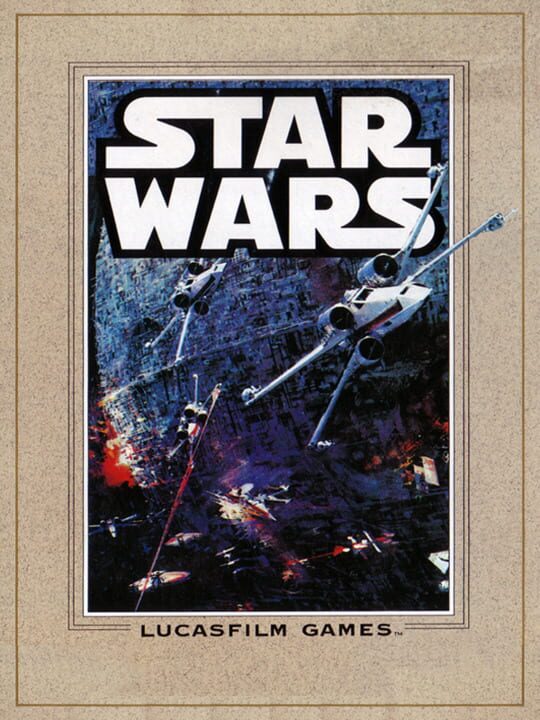
▲ Official Cover Art (Source: IGDB)
| Feature | Historical Significance & Data |
|---|---|
| Subject | Marcia Lucas (1945–2026) |
| Key Contributions | Star Wars Episode IV: A New Hope, Taxi Driver, American Graffiti |
| Recent Milestone | Lucasfilm confirms 50th Anniversary Restoration for 2027 |
| Industry Impact | Oscar-winning editing; defined modern cinematic pacing |
The Structural Architect of the Star Wars Universe
To understand the gameplay loops and narrative beats of modern space operas, one must look at how Marcia Lucas salvaged the initial concepts of the 1977 masterpiece. She was the final gatekeeper of the first Star Wars film, ensuring the story remained engaging and the stakes felt personal rather than purely spectacle-driven. By tightening the character arcs of Luke, Leia, and Han, she created a template for hero-centric storytelling that every subsequent interactive medium has attempted to emulate. Her influence was not limited to the stars, as her work on gritty classics like Taxi Driver proved her versatility in managing both cosmic wonder and grounded psychological tension.
During her marriage to George Lucas from 1969 to 1983, her presence in the editing suite provided a necessary counterbalance to the sprawling technical ambitions of the time. In the gaming world, we often discuss the flow of a level or the pacing of a cutscene; these concepts are direct descendants of the editing style she pioneered. Without her instinctive grasp of when to linger on a moment and when to cut to the chase, the original trilogy might have lacked the propulsion that transformed it from a niche sci-fi project into a global cultural phenomenon.
Expanding the Star Wars Horizon: From Horror to Remasters
The legacy Marcia Lucas left behind continues to evolve as the franchise pushes into new genres and technologies. We are currently seeing a significant shift in how the Star Wars IP handles its darker elements, such as the recent dive into the horror genre with the Darth Vader-led project, Hiding from the Dark. This project treats Vader not just as a combatant, but as a psychological boogeyman, a move that honors the character-driven tension Marcia originally helped foster. Furthermore, the official confirmation from Lucasfilm regarding the newly restored version of the original cut for the 50th anniversary in 2027 ensures her work will be preserved for future generations.
The Visual Synergy with Modern Gaming Hardware
The impact of cinematic editing also bleeds into the aesthetic choices of current-generation gaming. For instance, the redesigns found in the Star Fox remake for the Nintendo Switch 2 demonstrate a clear appreciation for the character-first framing that Star Wars popularized. When art directors like Takaya Imamura approve of these modern redesigns, they are essentially nodding to the visual language of high-concept sci-fi that Marcia Lucas helped codify in the late 70s. The clarity of action and the emotional resonance of a pilot staring at a hologram are tropes that found their footing in her editing suites.
As we look forward to the 50th-anniversary celebrations in 2027, the focus remains on the structural integrity of the films. The gaming industry, which frequently borrows the cinematic wipes and the rapid-fire dialogue pacing of the original trilogy, owes a debt of gratitude to Marcia. Her ability to navigate the complexities of metastatic cancer with the same strength her family described in her professional life—as a true trailblazer—is a testament to her character. For players and viewers alike, every jump to hyperspace carries a piece of her vision.
The Pacing of Star Wars is the Secret Blueprint for Modern Quest Design
Marcia Lucas did more than just cut film; she invented the ‘action-beat’ architecture that defines how modern RPGs and shooters handle narrative transitions. By prioritizing emotional payoff over technical fluff, her editing style taught developers that a story only works if the audience knows where to look and when to feel. This logic is why the 2027 restoration is more than a movie release—it is a masterclass for every level designer working today.
Final Pulse Score: 9.5 / 10