
Rebuilding the DRM Free Desktop Experience
For PC enthusiasts who cherish true ownership of their software libraries, the original promise of GOG Galaxy was undeniably alluring. It envisioned a unified desktop ecosystem capable of organizing fragmented digital libraries across multiple digital stores into a single, cohesive interface. However, early iterations of the client suffered from sluggish performance, memory bloat, and persistent synchronization hiccups that left many PC gamers opting for standalone launchers or third party solutions. The platform has officially confirmed that GOG Galaxy is undergoing a full revamp scheduled to roll out in 2027, tackling longstanding architecture bottlenecks while staying loyal to its non intrusive design principles.

▲ Official Cover Art (Source: IGDB)
Native Linux Architecture and Complete Desktop Parity
The headline revelation of the platform overhaul is the arrival of native Linux support. For years, open source desktop users had to rely heavily on community driven workarounds such as Heroic Games Launcher, Lutris, or custom Wine translation layers to manage their non DRM digital libraries seamlessly. With this dedicated distribution rollout, GOG Galaxy will provide direct access to installers, cloud saves, and library management without demanding external wrapper tools. The commitment marks an essential milestone for the open source gaming desktop, ensuring that performance parity and user convenience are no longer restricted to proprietary operating systems.
Alongside the native Linux introduction, the client interfaces across Windows and macOS are receiving comprehensive architectural redesigns. The engineering priority centers on lighter background resource usage, faster boot times, and stripped down library menus that discard visual clutter in favor of snappier navigation. Most critically for preservation minded enthusiasts, the client will strictly retain its fully optional status. Players can interact with the app for convenient automatic updating or ignore it entirely in favor of standalone, archival grade offline installers stored on personal storage drives.
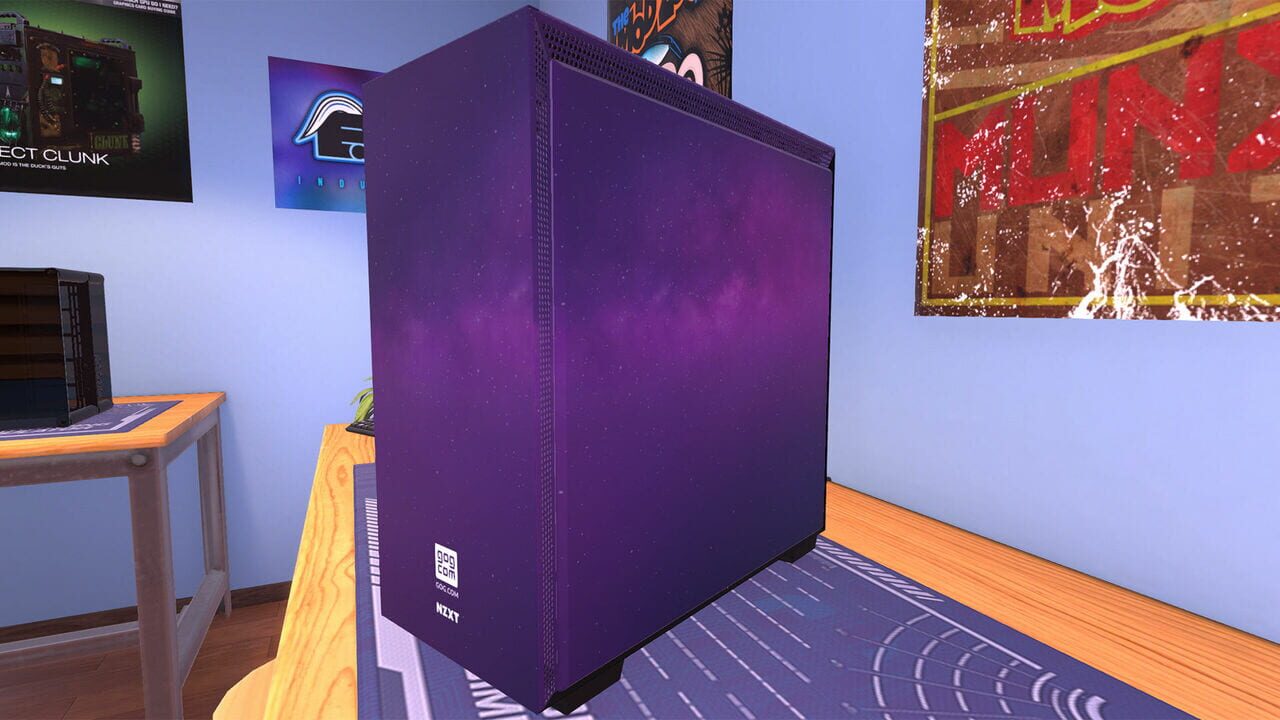
▲ Gameplay & Official Media (Source: IGDB)
Key Features of the 2027 Client Overhaul
The roadmap revealed during the platform showcase outlines several structural upgrades designed to address historical pain points and redefine how players interact with their libraries:
- Native Linux Distro Deployment: Complete integration tailored to modern Linux desktop distributions, offering seamless dependency management and eliminating manual compatibility layer troubleshooting.
- Optimized Client Footprint: Streamlined client architecture designed to consume minimal background CPU and memory overhead during active gaming sessions.
- Preserved Offline Sovereignty: Permanent access to pure offline installers directly through account menus without mandatory DRM checks or persistent server pings.
- Unified Library Navigation: Upgraded metadata filtering and modular sorting options across Windows, macOS, and Linux to display sprawling classic and modern catalogs with minimal lag.
- GOG Social Integration: An opt in social hub built to host game discussions, high resolution screenshot galleries, and community polls without algorithmic content feeds.
Introducing GOG Social and Anti Algorithmic Community Spaces
In tandem with backend optimization, the developer is deploying GOG Social, a companion hub engineered to deliver quiet, curated community engagement. Rather than forcing algorithmic content loops or invasive live service notification feeds onto users, GOG Social operates as a specialized space dedicated strictly to player interactions, gameplay media, and focused patch discussions. Enthusiasts can participate in threaded conversations and share high resolution screenshots without battling sponsored marketing content or aggressive engagement algorithms.
Community feedback across enthusiast forums has responded enthusiastically to the twin announcements, especially regarding public beta access available on the official storefront. Gamers have long voiced frustration over platform fragmentation, bloated desktop overlays, and aggressive DRM schemes that limit personal control over purchased media. By reinforcing user autonomy and delivering native support for desktop Linux enthusiasts, the planned 2027 modernization positions GOG Galaxy as an indispensable haven for dedicated PC gamers.
📌 Frequently Asked Questions (FAQ)
Q. When is the new GOG Galaxy revamp scheduled to launch?
A. The overhaul of GOG Galaxy across Linux, Windows, and macOS is scheduled to arrive in 2027, with beta testing periods opening in advance.
Q. Will GOG Galaxy become mandatory to play purchased games?
A. No, the client remains completely optional. Players will always have direct access to download standalone, DRM free offline installers.
Q. What is GOG Social?
A. GOG Social is an upcoming community hub featuring threaded game discussions, screenshot galleries, and polls with zero algorithmic feeds.
A Vital Victory for Desktop Freedom and Software Preservation
The decision to build a native Linux client and streamline core resource efficiency shows a precise understanding of the modern PC gaming meta. As digital storefronts increasingly pivot toward restrictive account binding and aggressive background telemetry, empowering users with optional tools and archival offline installers ensures true long term ownership. Delivering these fixes while rejecting manipulative engagement feeds represents a massive quality of life upgrade for discerning players.
Final Pulse Score: ⭐⭐⭐⭐☆