
Few creative figures in the interactive entertainment medium carry as much weight or cultivate as much curiosity as Bethesda Game Studios director Todd Howard. While his public comments regarding overarching game systems remain remarkably rare, former colleagues offer critical perspective on how blockbusters like Skyrim achieved historic cultural resonance. Longtime Bethesda veteran Bruce Nesmith, who served as the lead designer on Skyrim, recently peeled back the curtain on Howard specific design instincts, explaining how the studio chief consistently steers sprawling roleplaying systems toward accessibility rather than developer indulgent complexity.
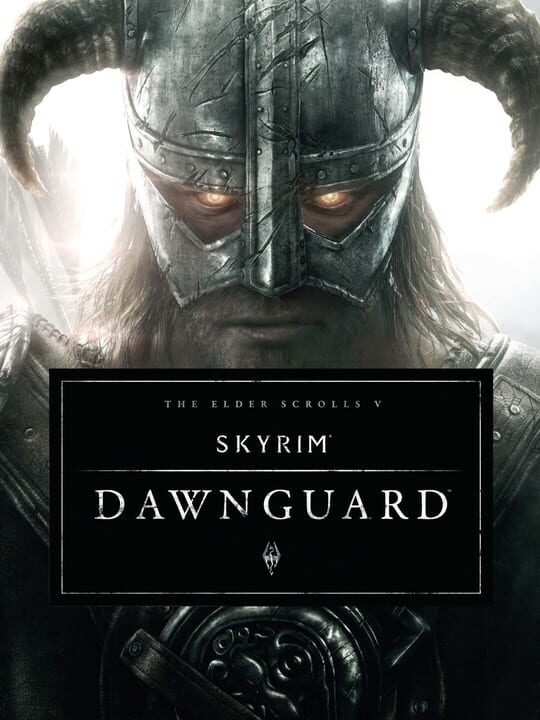
▲ Official Cover Art (Source: IGDB)
The Ivory Tower Dilemma Versus Ground Level Player Joy
Game design at the scale of an open world fantasy epic requires balancing intricate backend math against immediate visual and mechanical feedback. Nesmith highlighted that systems architects frequently trap themselves within developer ivory towers, agonizing over interlocking variables that casual adventurers never actively appreciate. When crafting mechanics for massive worlds, development teams routinely feel the impulse to pile on algorithmic depth, risking analysis paralysis for the wider audience that just wants an uninhibited heroic sandbox.
According to Nesmith, Howard greatest editorial superpower during the creation of titles like Fallout 3 and Skyrim was an uncanny ability to sit in the seat of the average consumer. Where engineers saw intricate numerical balancing, Howard saw friction that dampened pure fun. By demanding that mechanics remain digestible and frictionless, Howard repeatedly overruled convoluted design proposals to preserve immediate gameplay gratification, ensuring that players spent less time crunching numbers in submenus and more time exploring the harsh northern wilderness.

▲ Gameplay & Official Media (Source: IGDB)
Visual Fidelity And Spell Economy The Detect Life Transformation
Balancing systemic accessibility with aesthetic cohesion was an ongoing challenge across generations of Bethesda titles, perfectly exemplified by how spells transitioned between The Elder Scrolls IV Oblivion and Skyrim. In Oblivion, the functional utility of the Detect Life enchantment compromised atmospheric exploration because players maintained the spell indefinitely, drowning rich environmental textures in a muddy visual haze. The art department raised legitimate concerns that their meticulous creature sculpting and environmental dressing were being erased by persistent utility magic.
Rather than deleting the mechanic or retaining the ugly status quo, the development team altered the spell economy in Skyrim by making Detect Life remarkably costly to channel continuously. This elegant adjustment preserved the spell tactical utility while forcing players to deploy it in short bursts, allowing visual fidelity and mechanical usefulness to coexist harmoniously. Nesmith cited this iterative refinement as proof of Bethesda internal counterbias culture, where opposing departments challenged each other to produce well rounded game systems without alienating core mechanics.
The Spectrum Of Simplicity From Legendary Immersion To Modern Roleplaying Dilution
Bethesda streamlined philosophy achieved unquestionable commercial and critical success during the peak of Skyrim, proving that removing traditional tabletop stat bloat could welcome tens of millions of new adventurers into the RPG genre. By replacing archaic dice rolls and restrictive character classes with intuitive skill progression driven entirely by player action, the studio established an enduring blueprint for mainstream open world progression.
However, the relentless pursuit of simplicity remains a double edged sword across modern gaming discourse. While accessible friction reduction elevated fantasy immersion in decades past, excessive dilution of backend roleplaying depth can inadvertently strip away mechanical unpredictability and emergent world dynamics, as seen in the lukewarm reception to later projects like Starfield. Understanding exactly where approachable design ends and hollow roleplaying begins remains the central artistic challenge for the future of large scale fantasy epics.
📌 Frequently Asked Questions (FAQ)
Q. What specific game design strength did Bruce Nesmith attribute to Todd Howard?
A. Nesmith explained that Howard excels at adopting the typical player perspective, cutting through overcomplicated developer math to ensure game systems remain simple, digestible, and focused on immediate fun.
Q. How did Bethesda fix the Detect Life spell between Oblivion and Skyrim?
A. In Oblivion, Detect Life stayed active for long durations, obscuring detailed environmental art. In Skyrim, the team made the spell expensive to maintain, encouraging players to pulse it briefly for tactical awareness without ruining visual immersion.
Q. Why is the counterbias approach important in game development according to Nesmith?
A. Having team members with contrasting perspectives—such as artists balancing functional designers or high-level directors challenging complex coders—creates well-rounded gameplay mechanics that satisfy both depth and accessibility.
The Fine Line Between Accessible Design And Systemic Depth
Streamlining complex RPG math made Skyrim an eternal industry benchmark, proving that high barrier CRPG systems often stifle broad immersion. However, developer restraint must not devolve into sterile design. As modern audiences demand both mechanical freedom and deep emergent reactivity, Bethesda future depends on finding the perfect equilibrium between Howard approachable philosophy and the intricate player driven causality that defined classic roleplaying.
Final Pulse Score: ⭐⭐⭐⭐☆