
Guild Wars 3 is officially taking players back to a foundational era of Tyrian history that has remained shrouded in mystery for over two decades. In a significant shift for the franchise, the upcoming title will serve as a prequel, plunging the playerbase into a world approximately 1,000 years before the events of the original game. This era, defined by the physical presence of human gods in the kingdom of Orr, offers a unique opportunity to experience the lore that has long been the backbone of the series storytelling. By moving the timeline so far back, the developers are providing a fresh perspective on the origins of magic and the legendary guilds that give the series its name.
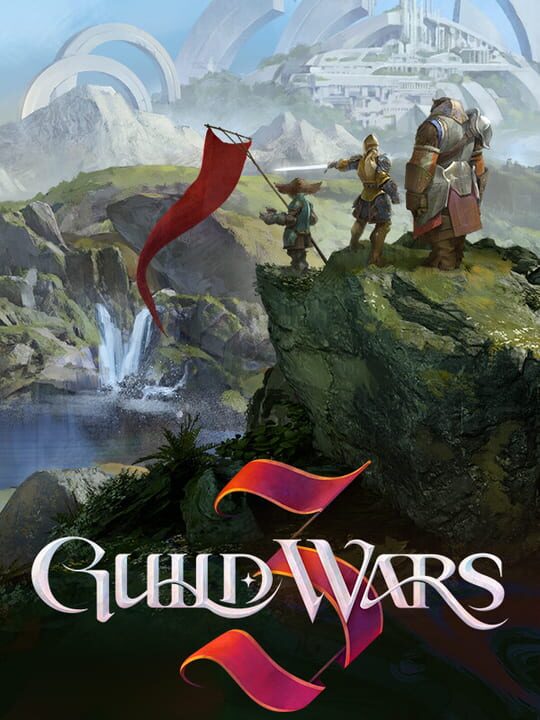
▲ Official Cover Art (Source: IGDB)
| Developer | ArenaNet |
| Release Window | Q4 2027 Beta |
| Primary Setting | Kingdom of Orr (1,000 years pre-GW1) |
| Monetization Model | No Subscription or Battle Pass |
| Target Platforms | PC, PS5, Xbox Series X/S, Switch 2 |
Exploring the Lore Foundations of Guild Wars 3
The decision to set Guild Wars 3 during the age of the human gods in Orr allows for a deep dive into the theological and magical roots of the world. Players will join a guild known as the Vaelwardens, operating at a time when deities like Abaddon and Grenth were active participants in the mortal realm. This setting predates the actual historic Guild Wars that fans might expect, as those conflicts were sparked by the gods departure and the subsequent fight over bloodstones. While this means players will not witness the specific storied battles from the lore texts, they will instead encounter the very conflicts that necessitated the creation of the bloodstones in the first place.
This ancient Tyria is far from peaceful, despite the presence of divinity. The narrative focuses on the tensions surrounding the distribution of magic, specifically addressing those who were not gifted power and those who seek to abuse it. For long-term fans, the chance to see a pristine, pre-cataclysm Orr is a major draw. The developer has confirmed that Guild Wars 3 will not require a subscription or a battle pass, maintaining a player-friendly monetization strategy that prioritizes gameplay over recurring fees. As we head toward the Q4 2027 beta, the focus remains on how these ancient systems will translate into modern gameplay mechanics.
Structural Shifts in Modern Remakes and Resident Evil Veronica
▲ Official Artwork (Source: IGDB)
While Guild Wars 3 explores the distant past, other major franchises are refining their history through high-profile remakes. Resident Evil Veronica is currently in development with a clear mission to align the classic story of Claire Redfield with the more recent narrative developments found in Resident Evil 7, Village, and Requiem. The development team has confirmed that while a recent teaser utilized a first-person perspective to surprise the audience, the final version of Resident Evil Veronica will utilize a traditional third-person viewpoint. This approach ensures that the remake feels cohesive alongside the modern Resident Evil 2 and 4 remakes, maintaining a consistent mechanical language for the series.
The adjustments being made to Resident Evil Veronica are not merely visual; they involve significant story changes to ensure the narrative fits within the ballooning lore of the franchise. By dropping the word Code from the original title, the project aims to stand as a definitive main-line entry. Both Guild Wars 3 and this survival horror remake represent a broader trend in the industry where developers are meticulously curating their franchise timelines to offer a more seamless experience for both veterans and newcomers. For players, this means a 2027 release calendar that is packed with experiences designed to bridge the gap between classic foundations and modern expectations.
The strategic pivot in Guild Wars 3 offers a masterclass in world-building
By selecting an era 1,000 years in the past, the developers are bypassing the limitations of established continuity to offer a truly transformative experience. This allows for the reintroduction of high-fantasy elements like physical deities and the kingdom of Orr at its peak, which would be impossible in the current timeline. The combination of this deep lore exploration and the rejection of modern monetization traps like battle passes positions the title as a potential industry leader in the MMO space for 2027.
Final Pulse Score: 9.2 / 10