
RPG Maker is facing a digital crisis as the primary repository for its decade-plus development history prepares to go dark. The developer, Gotcha Gotcha Games, recently announced the permanent closure of the official forums, a decision that has sent shockwaves through the indie development scene. While a new platform titled the RPG Maker Guild is slated to launch, the refusal to provide an official public archive for the existing data represents a significant blow to the community. For a toolset that relies so heavily on user-generated plugins, scripts, and troubleshooting, the loss of nearly 1.5 million posts is more than a sentimental setback; it is a practical catastrophe for active developers.
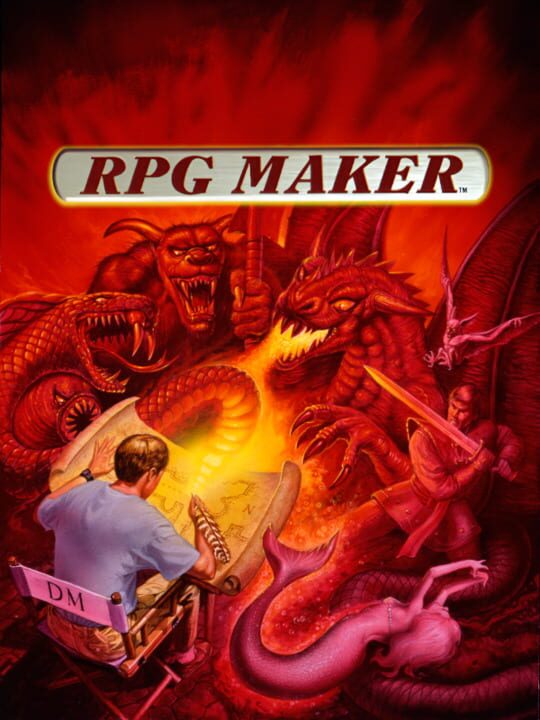
▲ Official Cover Art (Source: IGDB)
| Attribute | Detail |
| Current Status | Registration Disabled |
| Read-Only Mode | June 18, 2026 |
| Final Deletion Date | December 11, 2026 |
| Total Post Count | Approximately 1.4 Million |
| Replacement Site | RPG Maker Guild |
| Archive Status | No Official Public Archive |
The Structural Impact of the RPG Maker Forum Closure
The scale of the information at risk cannot be overstated. Within the RPG Maker ecosystem, the forums served as the backbone for technical support across multiple generations of the software. Data indicates that the Legacy Engine Support section alone contains over 45,000 threads. These discussions often hold the only surviving solutions for bugs in older engine versions that are still used by prominent indie creators. By shuttering these archives, the developers are essentially pulling the ladder up behind them, making it significantly harder for new users to learn the intricacies of the engine without a central knowledge bank.
Furthermore, the Javascript Plugins forum holds nearly 276,000 messages. This area is a treasure trove of custom code that expands the base functionality of the engine. Without an official archive, years of community-driven innovation could vanish, leaving creators to reinvent the wheel or hunt for mirrors on dead external links. The transition to the RPG Maker Guild is intended to foster a new era of connection, but critics argue that building a new community on the ruins of the old one, without preserving the foundations, is a fundamentally flawed strategy for a software suite that lives and dies by its community support.
Community Backlash and the Preservation Effort
The reaction from the RPG Maker community has been one of overwhelming frustration and mourning. Developers of successful commercial titles have credited these forums as the reason their projects reached completion, providing specific fixes for niche technical hurdles encountered over the last 15 years. The sentiment among the player base and creators alike is that the move is hostile, prioritizing a fresh brand image over the institutional knowledge that made the software a household name in game development. There is a palpable sense that the developers do not fully grasp how critical these historical threads are for the day-to-day workflow of their most dedicated users.
However, a glimmer of hope has emerged from the broader internet preservation community. Archivists associated with the Internet Archive have reportedly begun crawling the site to capture as much data as possible before the December 11, 2026 deadline. While this third-party effort is vital, it lacks the navigability and integrated search functionality of the original site. The community continues to call for a read-only official archive, noting that the cost of hosting a static version of the site is negligible compared to the massive loss of cultural and technical data that has defined the engine for over a decade.
RPG Maker and the Erosion of Indie Development History
The decision to purge fifteen years of technical data highlights a growing trend of negligence regarding digital preservation in the gaming industry. In the indie space, where RPG Maker serves as a gateway for thousands of creators, losing these forums means losing a living manual of game design. The shift to a new Guild format may offer a modern interface, but without the historical context of the original forums, the learning curve for the engine will inevitably sharpen, potentially stifling the next generation of cult-classic RPGs.
Final Pulse Score: 3.5 / 10