
Pragmata has solidified itself as a standout title in the 2026 gaming landscape, offering a refreshing take on the cinematic action-adventure genre. While the industry has spent much of the last decade leaning into the “sad dad” trope—where grizzled protagonists navigate trauma through their children—this title opts for a significantly different emotional frequency. The relationship between the protagonist Hugh and the young android Diana serves as the heartbeat of the experience, balancing high-stakes survival with a genuine sense of wonder and optimism that distinguishes it from its contemporary peers on modern hardware like the PlayStation 5 Pro and Xbox Series X/S.
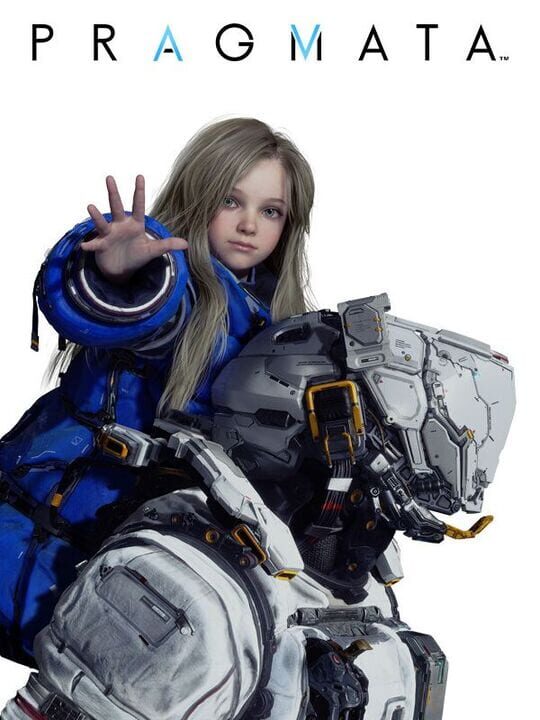
▲ Official Cover Art (Source: IGDB)
| Lead Director | Yonghee Cho |
| Main Protagonists | Hugh and Diana |
| Core Themes | Companionship, Joyful Fatherhood, Android Evolution |
| Current Platforms | PC, PlayStation 5 Pro, Xbox Series X/S, Nintendo Switch 2 |
The Departure from the Traditional Sad Dad Narrative
For years, high-profile titles have explored fatherhood through the lens of grief, redemption, and heavy emotional burdens. However, Pragmata takes a detour from this established canon by presenting a relationship that is fundamentally grounded in positivity. The director of the project, Yonghee Cho, has been vocal about the fact that the game was never intended to fit the melancholy mold. Instead of a story defined by what characters have lost, the narrative focuses on what they are building together in a world that feels increasingly surreal and dangerous.
Analysis of the character interactions reveals a deft touch that avoids the pitfalls of infantilization. Hugh is depicted as a deeply normal individual who finds himself in over his head, while Diana is an enthusiastic companion rather than a helpless ward. This shift changes the entire mechanical feel of the game, transforming protection-based gameplay into a cooperative effort. Players have noted that the banter between the two feels natural and uplifting, which is a rare feat in a genre often bogged down by narrative gloom.
Director Yonghee Cho on Personal Influence and Game Design
In a recent discussion regarding the creative process behind Pragmata, Yonghee Cho explained that his own life as a parent directly influenced the game’s tonal direction. Rejecting the label of a “sad dad” game, Cho emphasized that his experience as a happy father shaped the script and the character actions. By putting himself in the shoes of the characters, he aimed to translate the joy of providing a young mind with insight, fun, and dreams into the digital space. This personal touch provides a level of sincerity that resonates throughout the gameplay loops.
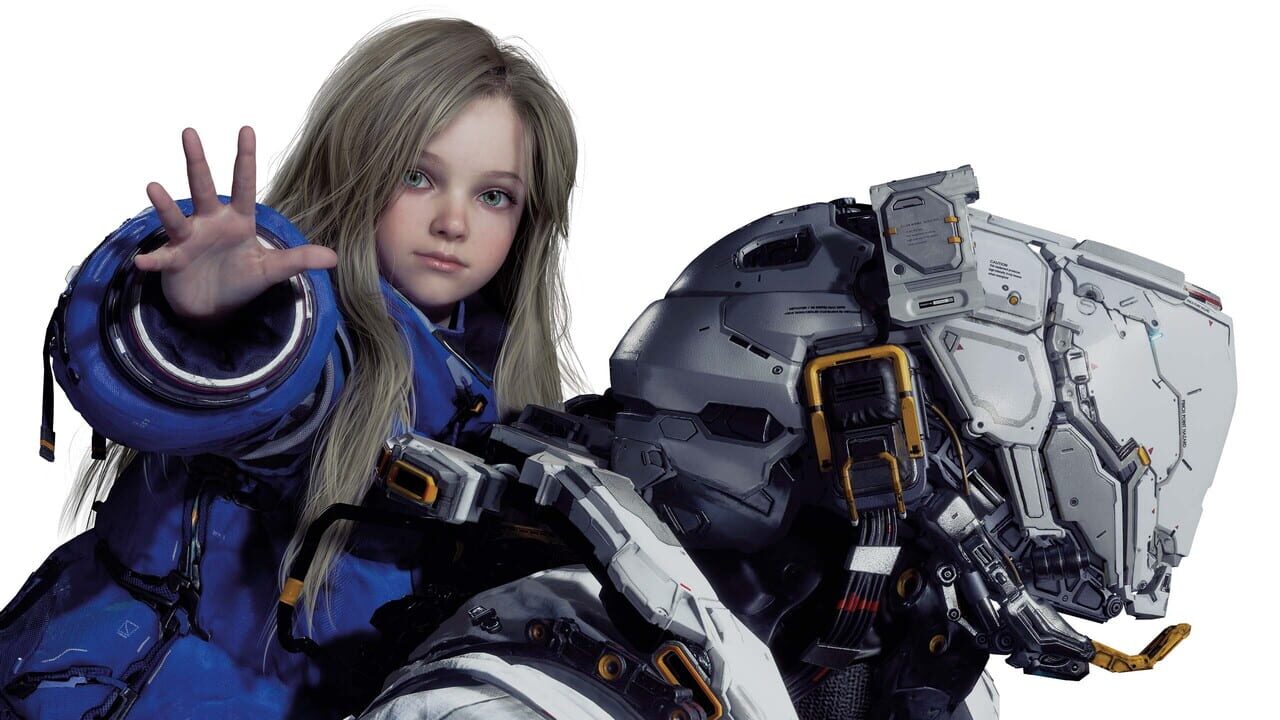
▲ Official Artwork (Source: IGDB)
The development team made a conscious effort to ensure that the bond between Hugh and Diana wasn’t just a parent-child dynamic. By incorporating what they call a “buddy element,” the team broadened the relatability of the experience for a wider range of players. This design choice ensures that even those without children can connect with the theme of companionship and mutual support. It provides a more lighthearted feel that balances the intense sci-fi action, making the world of Pragmata feel more vibrant and alive than typical post-apocalyptic settings.
The Emotional Resonance of Realistic Reactions
One of the most poignant aspects of the development story involves Cho’s own daughter, who is roughly the same age as Diana. During the creation of certain dramatic story beats, the director shared how his daughter reacted with genuine concern, identifying strongly with Diana’s plight. This real-world feedback loop allowed the team to fine-tune the emotional stakes of the game, ensuring that the protective instincts felt by the player were mirrored by the characters’ actual needs. It adds a layer of authenticity to the sci-fi setting that is often missing from more clinical entries in the genre.
Future Implications for Character-Driven Action
As we look toward the upcoming PC Gaming Show on June 7, 2026, the industry is watching closely to see how Pragmata influences future character-driven narratives. The success of this “happy dad” approach suggests that players are hungry for stories that celebrate companionship without requiring a tragic backstory. The mechanical synergy seen here sets a new benchmark for how AI companions can assist in combat and exploration while simultaneously driving the emotional core of the game forward. It is a bold step away from angst and a leap toward a more nuanced portrayal of human (and android) connection.
For those looking to track the latest updates and wishlist upcoming content, the official portal is the best place to stay informed. You can find more details on the official Steam event page as the showcase approaches.
The Pragmata shift away from parental trauma marks a pivotal evolution in narrative-driven action games.
By prioritizing companionship and happy fatherhood over standard angst-ridden tropes, the developers have successfully expanded the emotional reach of the sci-fi genre. This design philosophy ensures that the mechanical synergy between Hugh and Diana feels like a rewarding partnership rather than a burdensome escort mission. For the 2026 market, this tonal pivot provides a necessary alternative to the gloom-heavy narratives that have dominated the industry for years.
Related Article: Pragmata Xbox 360 Era Design Philosophy
Related Article: Pragmata Sales Gameplay Analysis
Final Pulse Score: 9.2 / 10