
Rainbow Six Siege has recently become the center of a developing legal storm that pulls back the curtain on the aggressive tactics used to maintain storefront dominance. Internal communications surfaced during a major antitrust investigation suggest that Valve once threatened to remove the tactical shooter from its platform entirely. The conflict reportedly stemmed from a pricing dispute where the publisher attempted to offer a more affordable entry point for players outside of the Steam ecosystem, highlighting a significant tension between platform control and consumer choice.
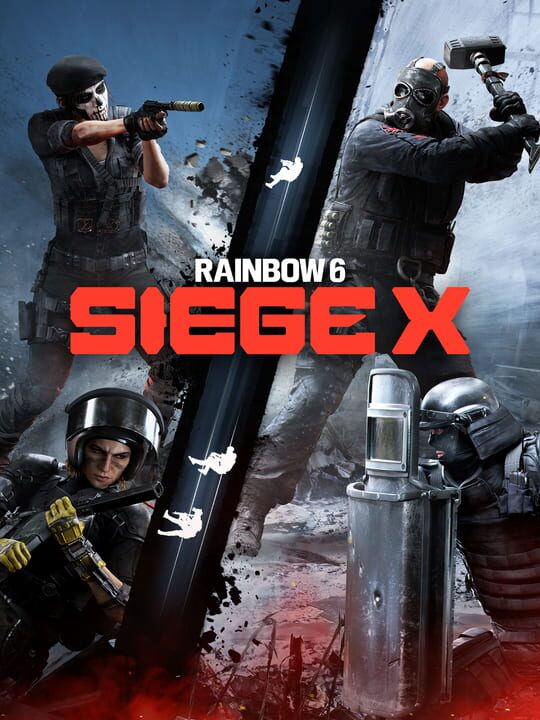
▲ Official Cover Art (Source: IGDB)
| Event Type | Details |
|---|---|
| Primary Title | Rainbow Six Siege |
| Controversy Source | Internal Email Discovery (2026 Lawsuit) |
| Alleged Tactic | Delisting threat over $15 Starter Pack pricing |
| Broader Context | $900M Monopoly Lawsuit & Loot Box Litigation |
The Rainbow Six Siege Ultimatum: Pricing Parity at Gunpoint
The details emerging from the ongoing legal proceedings paint a stark picture of how digital market leaders enforce their status. According to uncovered emails, Valve employees reportedly issued a direct ultimatum to Ubisoft regarding the pricing of Rainbow Six Siege. When the publisher introduced a $15 starter pack specifically for its UPlay store, Valve allegedly demanded the situation be rectified immediately. The threat was explicit: the game would be delisted from Steam by the following day if the pricing discrepancy wasn’t addressed.
For the average player, this behind-the-scenes maneuvering has a direct impact on the wallet. By allegedly forcing publishers to maintain price parity across all platforms, the incentive for developers to offer exclusive discounts or lower-cost versions on their own launchers is effectively neutralized. This keeps the barrier to entry higher for competitive titles like Rainbow Six Siege, as the competitive pricing that usually follows market competition is suppressed by platform-wide mandates.
Legal Fallout and the 2026 Storefront Reckoning
This revelation regarding Rainbow Six Siege is not an isolated incident. The same legal discovery highlights a 2017 situation involving Middle-earth: Shadow of War, where pre-orders were reportedly scrubbed from the storefront because the price was lower at other retailers. While representatives for the platform have claimed that no formal policy regarding pricing parity exists, the evidence suggests a systemic approach to ensuring no other digital store can undercut their offerings without facing severe retail consequences.

▲ Official Artwork (Source: IGDB)
As of June 2026, the industry is watching these developments closely as Valve faces a gauntlet of legal challenges. Beyond the $900 million monopoly lawsuit, the company is also defending its use of loot boxes in high-profile games. While the defense has attempted to categorize these digital items as similar to physical collectible cards, the New York Attorney General’s focus on gambling allegations has kept the company under intense scrutiny. These combined legal pressures are finally giving the community a transparent look at the mechanics that dictate how games are priced and distributed.
Impact on the Competitive Ecosystem and Player Choice
The implications for Rainbow Six Siege players are significant, especially those looking for flexible ways to enter the tactical shooter’s ecosystem. When platform holders exert this much pressure on pricing, it limits the variety of editions and bundles available to the public. If a developer cannot experiment with lower-priced entry tiers without risking their visibility on the largest PC storefront, the end-user loses out on potential savings and more accessible gaming options.
Looking ahead, the resolution of these lawsuits in 2026 could redefine the relationship between publishers and digital stores. Whether this leads to a more open market where Rainbow Six Siege can be found at varying price points across different launchers remains to be seen. However, the current trajectory suggests that the era of unchallenged storefront dominance is facing its most significant hurdle yet, with player-first pricing strategies finally taking center stage in the conversation.
The Rainbow Six Siege delisting threat exposes the hidden costs of platform-enforced pricing parity in 2026.
When a platform holder uses its market weight to block a $15 starter pack, it is the player who pays the price for lack of competition. This revelation confirms that many “standardized” prices across launchers are not the result of natural market forces, but rather the consequence of high-stakes ultimatums. As the 2026 legal battles continue, the potential for a truly competitive digital market hinges on whether these restrictive pricing policies are finally dismantled.
Related Article: Steam Monopoly Accusations and Gabe Newell Testimony
Related Article: Steam Regional Pricing Update 2026
Final Pulse Score: 7.5 / 10