
Rec Room, the pioneering virtual reality social platform that defined a decade of user-generated content, has officially announced its permanent shutdown on its 10th anniversary. The decision marks a somber milestone for the VR industry, as one of its most recognizable titles prepares to sunset its services. Despite reaching a staggering milestone of 150 million players, developer Against Gravity admitted that the platform never achieved sustainable profitability. The announcement confirms that the digital doors will close for good on June 1, 2026.
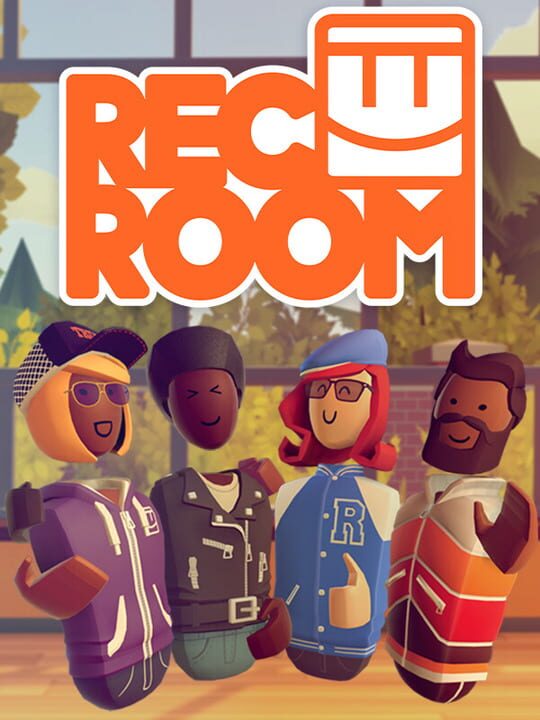
▲ Official Cover Art (Source: IGDB)
| Detail | Information |
|---|---|
| Game Title | Rec Room |
| Developer | Against Gravity |
| Shutdown Date | June 1, 2026 |
| Player Milestone | 150 Million+ |
| Status | Sunset Phase |
The Financial Paradox of Rec Room and the VR Market
The core of the issue stems from a persistent imbalance between high operational costs and inconsistent revenue streams. Against Gravity noted that the expenses required to maintain a massive, cross-platform social ecosystem simply overwhelmed the income generated. This financial strain persisted even after the team implemented significant layoffs in August 2025, where nearly half the workforce was let go. While initial projections suggested the studio had enough runway to last until 2029, the volatile nature of the VR market accelerated their timeline.
Interestingly, Rec Room saw a 70% year-over-year increase in user-generated content revenue in July 2025. This surge was not enough to offset the broader industry headwinds and the sheer cost of server maintenance for its 150 million users. The shift in market dynamics, characterized by a cooling interest in the “metaverse” concept, played a significant role in this outcome. The developer chose to wind down now to ensure a thoughtful transition for the employees and players who sustained the game for a decade.

▲ Official Artwork (Source: IGDB)
Rec Room and the Erosion of Virtual Social Spaces
The legacy of Rec Room is inextricably linked to the rise of social VR, offering activities ranging from Paintball to complex user-created RPGs. With over 68,000 cumulative years spent in-game, the community’s engagement was never in doubt. However, the rise of competitors like Roblox, which recently added comprehensive VR support, created a saturated market. The stagnation of VR hardware adoption also limited the potential for growth beyond the existing enthusiast base.
Broader industry trends reflect this struggle, as seen in recent actions by Meta’s Reality Labs. In January 2026, Meta laid off 10% of its division and shuttered prominent VR-first studios like Twisted Pixel and Sanzaru Games. These systemic shifts suggest that the cost of building high-fidelity social worlds is currently outpacing the consumer’s willingness to spend. Against Gravity’s decision to close the platform reflects a wider pivot toward AI and more traditional gaming experiences across the tech sector.
Key Deadlines for the Rec Room Community
Players must act quickly to preserve their memories as the service enters its final months. From today, new account creation is disabled, and no new friends can be added to existing profiles. All premium memberships have been extended to June 1, 2026, at no additional cost to the users. This serves as a final gesture of goodwill for the community that remained loyal through the platform’s ups and downs.
From May 1, 2026, the ability to purchase tokens or redeem gift cards will be entirely removed from the store. Creators have until May 18, 2026, to collect any earned tokens, after which all monetary transactions will cease. To honor the community, Against Gravity is discounting first-party content by 80% and making several premium avatar items free for all. You can read the full technical details in the official Rec Room Sunset Statement.
Pulse Gaming Perspective: Rec Room and the Reality of Scalability
The fall of this social titan highlights a critical flaw in current VR business models: high engagement does not guarantee a sustainable bottom line. While user creativity was the lifeblood of the platform, the infrastructure costs of hosting millions of interactive 3D spaces became a weight too heavy to bear. This marks the end of an era for experimental social VR and a cautionary tale for future metaverse ventures.
As the June 1 deadline approaches, creators are encouraged to download their room and invention data. While the servers themselves cannot be replicated, this data allows users to potentially recreate their work in engines like Unity. It is a bittersweet end for a game that proved VR could be a vibrant social hub, even if the economics of that hub remained elusive. for updates on the final days of the service.
Final Pulse Score: 8.5 / 10