
The Elder Scrolls: Blades is officially entering its final chapter as Bethesda Softworks prepares to sunset the ambitious mobile RPG on June 30, 2026. This move follows a period of six years in which the title attempted to translate the sprawling essence of Tamriel into a pocket-sized, touch-friendly format. Despite its initial promise and impressive visual fidelity, the game struggled to maintain the long-term engagement necessary for a sustainable live-service model in an increasingly competitive market.
▲ Official Cover Art (Source: IGDB)
| Category | Details |
|---|---|
| Game Title | The Elder Scrolls: Blades |
| Developer | Bethesda Game Studios |
| Original Launch | May 2020 |
| Shutdown Date | June 30, 2026 |
| Final Platforms | iOS, Android, Nintendo Switch |
The Sunset of The Elder Scrolls: Blades and the Delisting Process
Bethesda has already taken the first steps toward closure by delisting the game from all major platforms, including the iOS App Store, Google Play, and the Nintendo eShop. The $14.99 console version, known as the Quick Start Edition on Nintendo Switch, is no longer available for purchase as the developer clears the path for the June 30 finale. To reward loyal players who stayed until the end, Bethesda is distributing a final bundle of Gems and Sigils, effectively removing the barriers to high-level content.
In a surprising move for a title nearing its end, the in-game store has seen a massive price adjustment where items are now available for a single Gem or Sigil. This allows the community to experience the full breadth of the game’s equipment and town-building mechanics without the friction of traditional monetization. According to official statements from Bethesda’s project page, this gesture is intended to ensure fans can enjoy everything the world of Blades has to offer before the servers go dark permanently.
Analyzing the Mechanical Friction of The Elder Scrolls: Blades
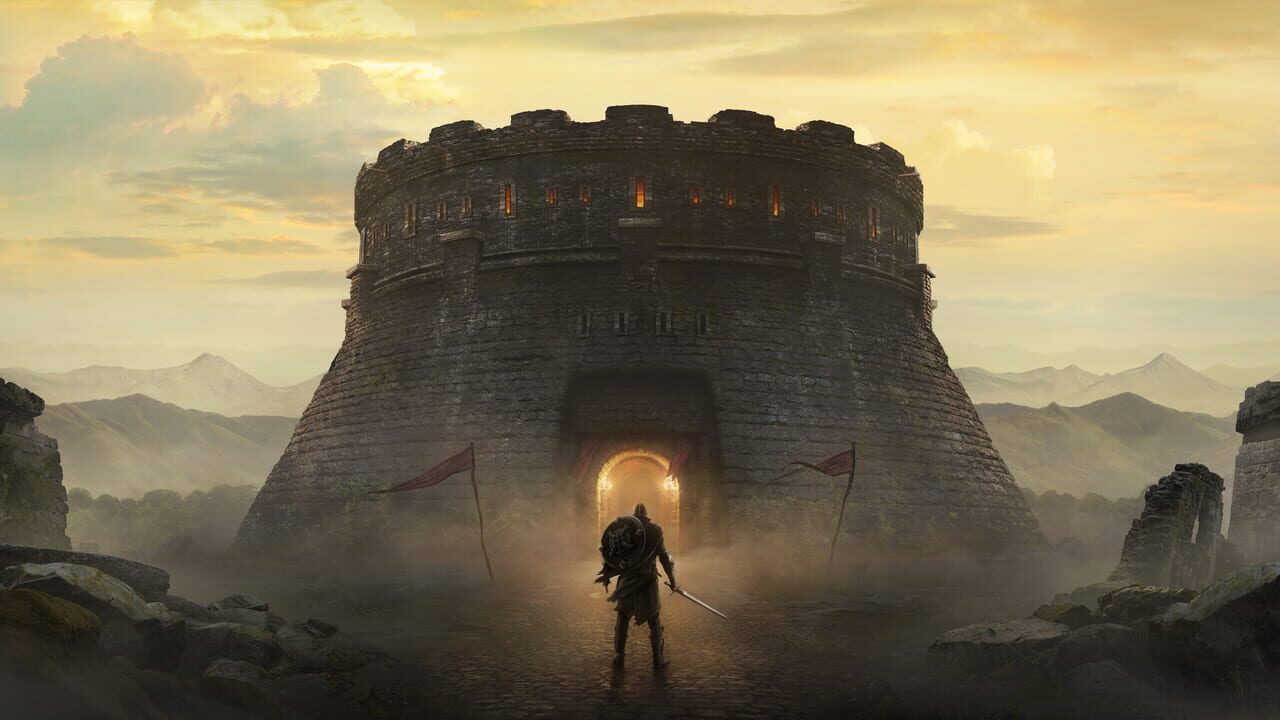
▲ Official Artwork (Source: IGDB)
When it first arrived in May 2020, the industry viewed the title as a benchmark for mobile graphical fidelity, bridging the gap between mobile gaming and console-quality visuals. However, the gameplay loop of The Elder Scrolls: Blades was often criticized for its reliance on “waiting walls” and aggressive microtransactions. Many players reported hitting a progression ceiling within hours, where further advancement required either days of real-time waiting or significant financial investment to bypass timers.
The transition to the Nintendo Switch was expected to broaden the game’s appeal, but the core mobile-first design philosophy remained a point of contention for console players. While the dungeon-crawling mechanics were competent, they lacked the environmental storytelling and freedom found in mainline entries like Skyrim or Oblivion. This mechanical divide ultimately prevented the title from becoming the long-term pillar Bethesda likely envisioned during its initial 2018 reveal.
Digital Preservation and the Future of Tamriel
The impending disappearance of The Elder Scrolls: Blades raises significant questions about digital preservation in an era dominated by live-service games. Unlike single-player titles that remain playable decades after release, this spinoff will effectively cease to exist once the servers are deactivated on June 30, 2026. This loss of digital history is a growing concern for fans who believe that even divisive titles contribute to the overall legacy of a legendary franchise.
As the community prepares to say goodbye, the focus of the fan base inevitably shifts back to the highly anticipated The Elder Scrolls 6. With that project having been announced nearly eight years ago, the closure of smaller projects suggests a consolidation of resources at Bethesda Game Studios. Players are now looking for the next great adventure in Tamriel, hoping that the lessons learned from the mobile experiment will inform the depth of future mainline experiences.
Pulse Gaming Perspective: The Elder Scrolls: Blades serves as a cautionary tale of how monetization can overshadow mechanical potential.
While the game was a technical marvel for mobile hardware in 2020, its reliance on predatory time-gating alienated the core RPG audience. Bethesda’s decision to make all content accessible for a single gem in its final months is a graceful exit, but it highlights the inherent flaws in the game’s original economy. We hope future mobile ventures from Bethesda prioritize exploration over monetization.
Ultimately, the legacy of this title will be one of technical achievement hampered by the economic realities of the mobile marketplace. While it provided a unique glimpse into the lore between Oblivion and Skyrim, it never quite captured the magic of a full-scale Elder Scrolls adventure. On June 30, 2026, the gates to this version of Tamriel will close for good, leaving only memories and screenshots behind.
Final Pulse Score: 5.0 / 10