
CD Projekt Red has set a definitive precedent for character preservation by confirming the integration of specialized neural audio processing for its upcoming expansion, Songs of the Past. Longtime voice actor Jacek Rozenek, who has defined Geralt of Rivia for Polish players since the franchise began, granted full consent to utilize artificial intelligence to harmonize his current vocal delivery with his classic performance. Following a severe stroke in 2019 that temporarily cost him the ability to speak, Rozenek undertook arduous therapy to regain his voice, yet the prolonged physical strain of modern studio sessions revealed noticeable acoustic shifts compared to his work a decade ago. To safeguard both the continuity of the White Wolf and the health of the veteran performer, the studio partnered with Respeecher to delicately reshape new vocal recordings to mirror the legendary cadence heard throughout the base campaign of The Witcher 3.
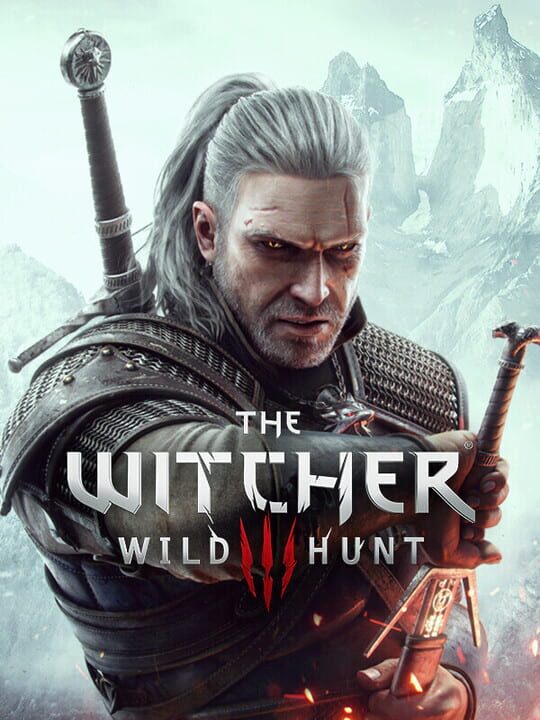
▲ Official Cover Art (Source: IGDB)
Preservation Over Replacement: Rozenek Return to Kaer Morhen
The journey back to the recording booth for Jacek Rozenek has been a testament to relentless resilience, yet vocal endurance remains an ongoing battle. When the actor returned to perform supplementary dialogue for the 2022 updated release of The Witcher 3, the intense physical exertion left him entirely exhausted after demanding studio sessions. Recognizing that his natural vocal resonance had inevitably shifted over twelve years of physical therapy and aging, both Rozenek and the localization team recognized that a standard recording setup posed serious challenges for a full-length adventure. Songs of the Past demands extensive new dialogue, and the studio sought an authentic middle ground that prioritized Rozenek artistic ownership over mere recasting.
Crucially, this production method avoids synthetic generation from scratch. Rozenek was brought into the sound booth to manually record every single line of dialogue for the expansion, capturing his emotional nuance, comedic timing, and dramatic pauses firsthand. Localization producer Mikołaj Szwed stressed that the initiative was born strictly out of health considerations, ensuring that Rozenek retained full agency over Geralt while sparing him the punishing vocal strain of artificially deepening his tone. The resulting collaboration establishes a vital blueprint for how veteran performers facing physical limitations can extend their careers without sacrificing artistic control or authenticity.

▲ Gameplay & Official Media (Source: IGDB)
Acoustic Reconstruction: How Respeecher Bridges a Decade of Audio
To execute the transformation seamlessly, CD Projekt Red supplied Respeecher with extensive sound libraries featuring Rozenek historic work across The Witcher 3. The audio engineering team built a targeted algorithm trained strictly on the actor past deliverables, effectively mapping the timbre, frequency range, and gravelly weight of his 2015 performance. When Rozenek recorded his freshly scripted lines for Songs of the Past, those raw takes were fed through the algorithmic model. The software remapped the acoustic envelope of his voice to match his historic performance while keeping his contemporary rhythm and dramatic performance fully intact.
This technical execution directly mirrors the protocol CD Projekt Red developed during the production of the Phantom Liberty expansion, where Respeecher was deployed with family consent to preserve the voice of Viktor Vektor following the tragic passing of Miłogost Reczek. While that earlier instance functioned as a posthumous homage, the application in Songs of the Past pushes the technique further by acting as an assistive prosthetic for a living artist. By using actor-specific historical models rather than generic generative datasets, the studio preserves the auditory identity of The Witcher 3 while respecting the labor of the human performer behind the microphone.
Navigating the Industry Fracture Surrounding Generative Technology
The decision arrives amid unprecedented tension surrounding artificial intelligence in the video game ecosystem. Creative circles and award committees have adopted strict zero-tolerance stances toward uncredited generative shortcuts, penalizing projects that rely on synthetic art assets or uncompensated training sets. Many developers have faced reputational turbulence, with independent juries pulling accolades or requiring emergency patches when machine-generated assets surface in finished builds. In this hypersensitive climate, the discourse often treats all automated sound tools with blanket skepticism, obscuring the profound distinction between algorithmic labor replacement and assistive rehabilitation.
Szwed openly acknowledged the ambient ethical anxieties in modern development, highlighting that technology becomes constructive when bound by transparent consent and human-first objectives. By anchoring the voice tracks to active performance sessions and confining algorithmic training strictly to Rozenek prior catalog, the production circumvents the systemic exploitation haunting broader tech discussions. Players exploring Songs of the Past will experience a faithful continuation of Geralt journey in The Witcher 3, grounded in the original actor genuine physical dedication rather than an algorithmic simulation.
📌 Frequently Asked Questions (FAQ)
Q. Why is AI being used for Geralt voice in The Witcher 3 Songs of the Past?
A. Geralt Polish voice actor, Jacek Rozenek, suffered a stroke in 2019 that altered his vocal resonance and made prolonged recording physically exhausting. AI is used with his consent to adjust his new performances to match his original voice from a decade ago.
Q. Did Jacek Rozenek record his lines manually for the expansion?
A. Yes. Rozenek recorded all of his dialogue lines in the studio as normal. Respeecher software was then used to alter the timbre of those recordings using an algorithm trained on his original performance.
Q. Has CD Projekt Red used Respeecher technology before?
A. Yes, the studio previously used Respeecher in the Cyberpunk 2077 expansion Phantom Liberty to recreate the voice of Viktor Vektor after actor Miłogost Reczek passed away, with permission from his family.
Preserving Legacy Through Performer Agency
CD Projekt Red demonstrates that neural audio synthesis finds its strongest justification when serving as an assistive prosthetic rather than a labor-cutting substitute. By having Jacek Rozenek deliver the foundational dramatic cadence before applying acoustic timbre correction, the production honors the human nuance behind Geralt of Rivia. In an era fraught with generative shortcuts, consent and preservation establish the blueprint for sustainable tech adoption.
Final Pulse Score: ⭐⭐⭐⭐☆
Related Article: The Witcher 3 Remastered Patch 501 Lighting Combat Analysis